

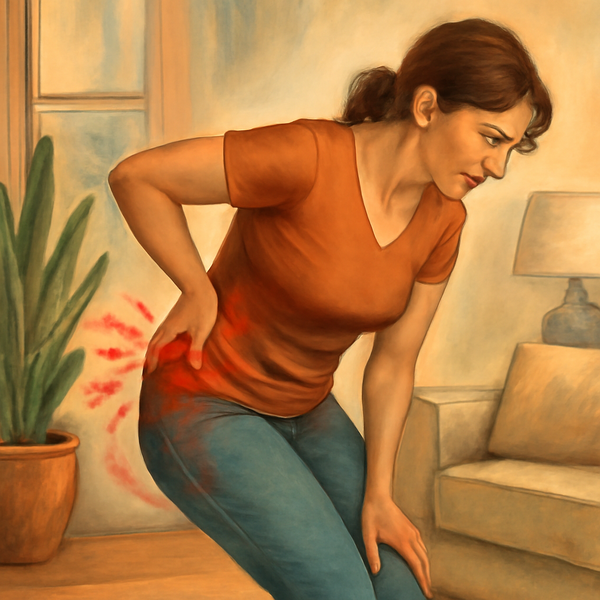
Sciatica pain can be a debilitating condition, often characterized by sharp, shooting, or dull aches that radiate from the lower back down one or both legs. This pain is typically caused by compression or irritation of the sciatic nerve, the longest nerve in the body. Understanding the root causes and available treatment options is crucial for managing this discomfort and improving your quality of life. Fortunately, a range of effective treatments exists, from conservative home care to medical interventions, all aimed at reducing inflammation, relieving nerve pressure, and restoring mobility.
Understanding the Causes of Sciatica
Sciatica is not a medical diagnosis in itself, but rather a symptom of an underlying problem affecting the sciatic nerve. The most common culprit is a herniated or bulging disc in the lumbar spine. When the soft, jelly-like center of an intervertebral disc pushes through a tear in its tougher exterior, it can press directly on the sciatic nerve root. Another frequent cause is spinal stenosis, a narrowing of the spinal canal that can put pressure on the nerves. Degenerative disc disease, where the discs lose their cushioning over time, can also lead to nerve compression. Osteophytes, or bone spurs, which can develop due to arthritis or aging, can also encroach upon the nerve. Spondylolisthesis, a condition where one vertebra slips forward over another, can also irritate the sciatic nerve. Less common causes include piriformis syndrome, where the piriformis muscle in the buttock spasms and irritates the sciatic nerve, or tumors within the spine, although these are rare. Recognizing these potential origins is the first step in finding the right treatment plan tailored to your specific situation.
Non-Surgical Treatment Options for Sciatica Relief
Many individuals find significant relief from sciatica pain through conservative, non-surgical approaches. These methods focus on reducing inflammation, alleviating nerve pressure, and strengthening the supporting muscles. Physical therapy is a cornerstone of non-surgical treatment. A qualified physical therapist can design a personalized exercise program aimed at improving flexibility, core strength, and posture. Gentle stretching exercises, such as hamstring stretches and piriformis stretches, can help release tension on the sciatic nerve. Strengthening exercises for the abdominal and back muscles create a more stable spine, reducing the likelihood of disc compression. Over-the-counter or prescription anti-inflammatory medications, like ibuprofen or naproxen, can help reduce swelling around the nerve. Muscle relaxants may also be prescribed to ease spasms. Heat and cold therapy can provide temporary pain relief. Applying a cold pack to the affected area can numb pain and reduce inflammation, while heat can relax tight muscles. Other complementary therapies, such as acupuncture and massage therapy, have also shown promise in managing sciatica pain for some individuals by promoting blood flow and releasing muscle tension.
When to Consider Medical Intervention
While non-surgical methods are often effective, there are situations where medical intervention may be necessary for persistent or severe sciatica. If conservative treatments have not provided relief after several weeks, or if symptoms are worsening, a doctor may recommend further evaluation. Imaging tests, such as MRI or CT scans, can provide detailed images of the spine to pinpoint the exact cause of the nerve compression. Epidural steroid injections are a common medical treatment. A corticosteroid medication is injected directly into the space around the affected nerve root, which can significantly reduce inflammation and pain for a period of weeks to months, providing a window for other therapies to be more effective. For certain conditions, such as a significant disc herniation causing severe leg weakness or loss of bowel or bladder control (which is a medical emergency), surgery might be considered. Surgical options include microdiscectomy to remove the portion of the herniated disc pressing on the nerve, or laminectomy to remove a portion of the bone to create more space for the nerve. The decision to pursue surgery is typically made after careful consideration of the risks and benefits in consultation with a spine specialist.
Lifestyle Modifications and Prevention Strategies
Beyond specific treatments, adopting certain lifestyle modifications can play a vital role in managing sciatica pain and preventing its recurrence. Maintaining a healthy weight is crucial, as excess body weight puts additional strain on the spine and its supporting structures. Regular, low-impact exercise, such as walking, swimming, or cycling, can help keep the back muscles strong and flexible without overstressing the spine. Proper posture is essential, whether sitting, standing, or lifting. When sitting, ensure your chair provides good lumbar support and keep your feet flat on the floor. When lifting heavy objects, always bend your knees and keep your back straight, lifting with your legs rather than your back. Ergonomic adjustments at home and work can also make a difference. Using a supportive mattress, avoiding prolonged sitting or standing in one position, and incorporating regular breaks to move and stretch can all contribute to back health. Finally, quitting smoking is important, as smoking has been linked to an increased risk of degenerative disc disease and can impair the body's ability to heal.
Living Well with Sciatica: Long-Term Management
Living with chronic sciatica pain requires a proactive and integrated approach to long-term management. This involves a combination of understanding your condition, adhering to recommended treatment plans, and making sustainable lifestyle changes. Education is a powerful tool; the more you understand about what causes your sciatica and how your chosen treatments work, the better equipped you will be to manage it. Consistent adherence to physical therapy exercises, even after pain subsides, is vital for maintaining strength and preventing future episodes. Regular check-ins with your healthcare provider will ensure your treatment plan remains effective and can be adjusted as needed. Embracing a healthy diet rich in anti-inflammatory foods can also support overall well-being and potentially reduce inflammation associated with nerve pain. Mindfulness and stress-reduction techniques, such as meditation or deep breathing exercises, can be beneficial as chronic pain can take a toll on mental health. By actively participating in your care and making conscious choices to support your spinal health, you can significantly improve your long-term outlook and enjoy a more comfortable and active life.